
Learn · Lab results
One result vs the pattern
A single blood test is a snapshot taken at one moment in time. Your thyroid picture is a film - and the trend across several results over months and years is usually far more informative than any individual number.
Last updated June 2026
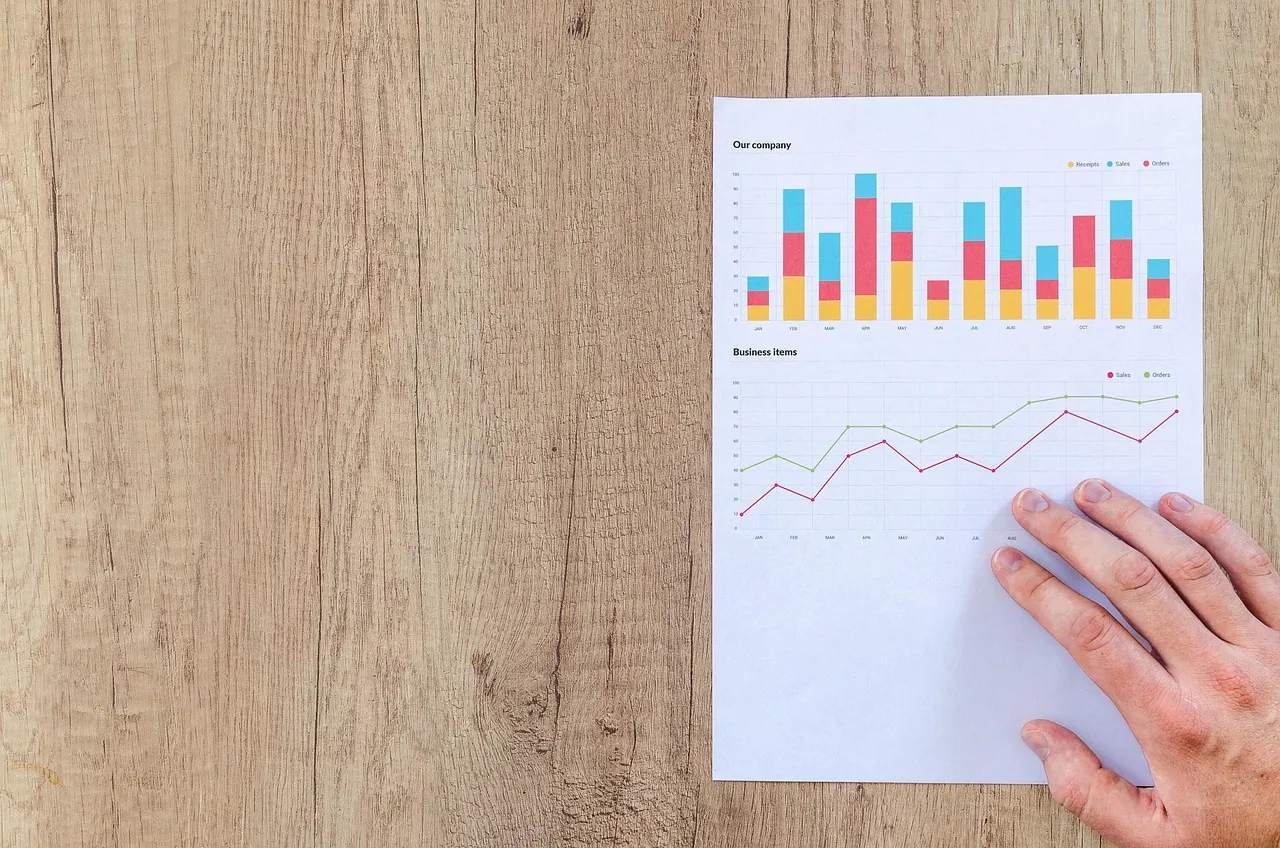
Why a single result is limited
Thyroid hormone levels are not perfectly stable from day to day. TSH in particular has a natural daily rhythm - it tends to be highest in the early hours of the morning and lowest in the afternoon. Illness, poor sleep, a recent change in medication timing, and even the timing of your last dose of levothyroxine before the blood draw can all nudge a result slightly higher or lower.
This means a single result that sits just outside the reference range does not automatically confirm a problem, and a single result inside the range does not guarantee everything is well - especially if symptoms are telling a different story. Context always matters.
What a trend can tell you that a snapshot cannot
When you look at results over time, patterns emerge that no individual result can show:
- Direction of travel. Is your TSH slowly drifting upward over two years, even if it is still within range? That is a different picture from a stable TSH that has sat near the same point for a decade.
- Consistency under similar conditions. Several results taken at a similar time of day, in the same season, and before your morning dose of levothyroxine are far more comparable to each other than results taken in varying circumstances.
- Response to treatment. After a dose adjustment, seeing how TSH and free T4 respond over the following months is more informative than a single follow-up result.
- Lab changes. If the reference range shifts between results, the trend context helps you and your clinician interpret whether a change is real or a methodological artefact.
The value of consistent testing conditions
To make trends as meaningful as possible, it helps to be consistent about:
- Time of day. Morning blood draws, before eating and before taking levothyroxine, are the most commonly recommended for consistency - but the important thing is to be consistent, whatever time you use.
- Fasting vs non-fasting. Your clinician may advise on whether to fast. If you always do the same thing, comparisons are more reliable.
- Which lab processes the sample. If possible, having blood drawn at the same place means results are processed on the same equipment. If your lab changes, note it alongside your results.
You do not need to be rigid about this - a blood test done under imperfect conditions is still valuable. But when you are trying to interpret a borderline result, these factors are worth considering.
Symptoms are part of the pattern too
Numbers and symptoms do not always move in lock-step. Some people feel well with a TSH near the top of the range; others feel better at the lower end. Some feel hypothyroid symptoms even when their TSH is technically normal.
Keeping a record of how you feel alongside your blood results - using the symptoms tool - gives you something concrete to bring to your appointments. "My TSH has been stable, but I have noticed more fatigue in the last few months" is much more useful than a vague sense that something feels off.
How to track your results
The lab results tool is designed for this kind of longitudinal tracking. You can log each result with its date and the reference range from your report, and see how your values have moved over time. It does not interpret results for you - that is your clinician's role - but it makes patterns visible and gives you something clear to discuss at your next appointment.
Questions worth raising with your clinician
- Looking at my results over time, is there a trend worth watching?
- How many results do you want to see before acting on a borderline value?
- Should I be testing more or less frequently given how my results have been moving?
- Is there a particular time of day or set of conditions you would like me to use for future tests?
Tools that help with this
Worth reading next
Track your lab results
Open this from ThyroidTools.
ReadSymptom journal
Open this from ThyroidTools.
ReadWhy your lab's reference range differs
If you have ever compared your TSH result with a friend's - or looked up a "normal" range online - you may have noticed the numbers do not always match. That is not an error. Reference ranges vary, and understanding why makes your results much easier to read.
ReadTSH, free T4 and free T3, in plain English
Three letters appear on almost every thyroid blood test: TSH, T4 and T3. Here is what each one is actually measuring, why they often move in opposite directions, and why a single number rarely tells the whole story.
ReadThyroidTools is an independent, patient-led project - not a charity, not a medical service, and not affiliated with any healthcare organisation or clinical body. We're not your doctor. We're the friend who helps you get more from seeing one. Nothing here is medical advice; always speak to a qualified clinician about your own situation.