
Soft salmon and potato bake
A gentle, moist meal that some people may find easier to eat in the first few days after thyroid surgery. Finely flaked salmon, soft potato and plenty of sauce keep chewing to a minimum.
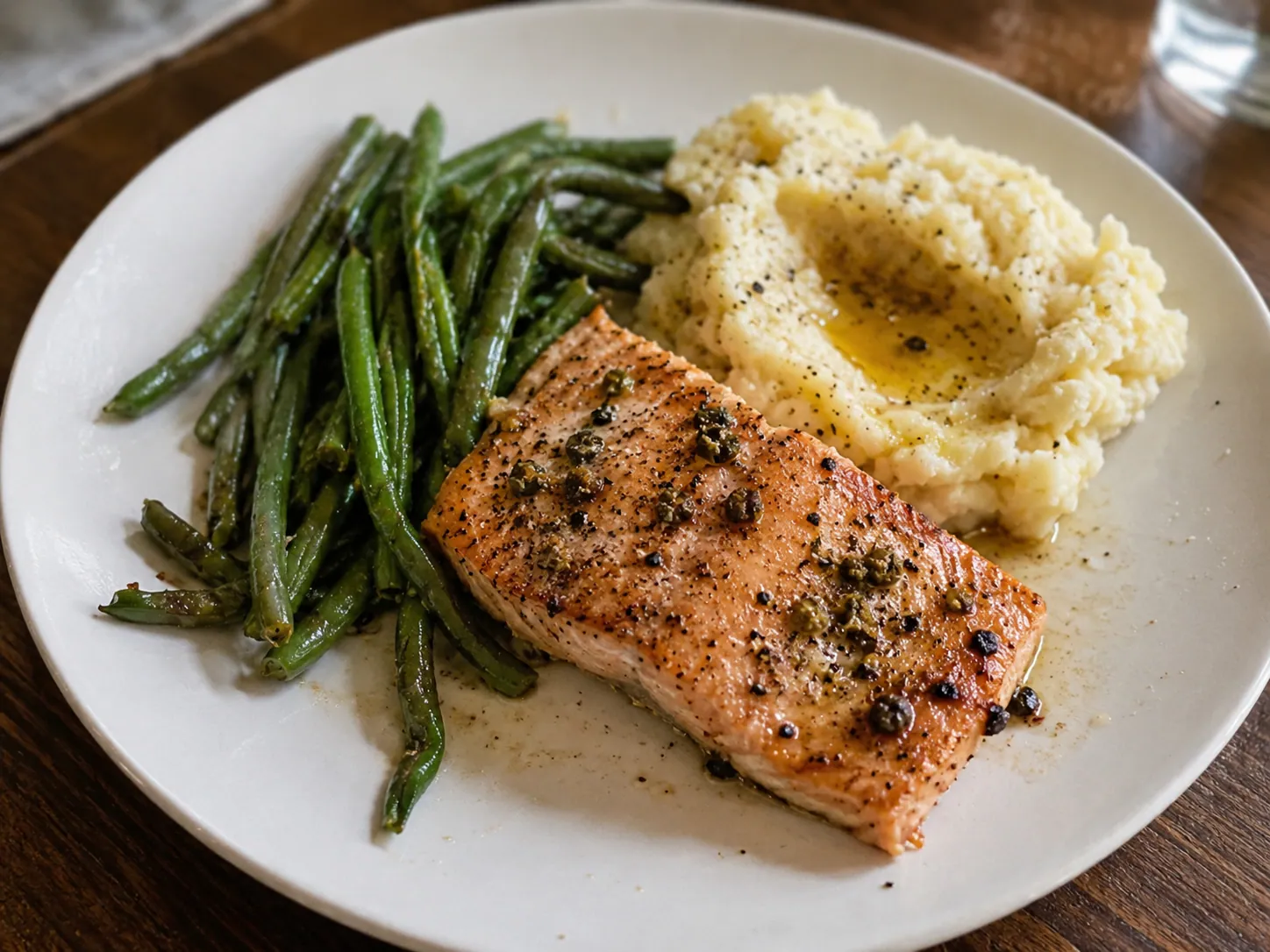
Ingredients
- 300 g floury potatoes (such as Maris Piper, peeled and cut into small chunks)
- 2 salmon fillets (approximately 120g each, skin removed)
- 150 ml milk (full-fat or semi-skimmed)
- 1 tbsp butter
- handful frozen peas (small, optional)
- salt (to taste)
Method
- 1Place the potato chunks in a saucepan, cover with cold water, add a pinch of salt, and bring to the boil. Cook for 15 - 18 minutes until very tender.
- 2Meanwhile, place the salmon fillets in a shallow pan or deep frying pan. Cover with enough water to just submerge them, bring to a gentle simmer, and poach for 8 - 10 minutes until the fish flakes easily. Remove and set aside.
- 3If using peas, cook them in a small pan of boiling water for 3 minutes, then drain.
- 4Drain the potatoes and mash well with the butter and milk until smooth and lump-free.
- 5Flake the salmon gently with a fork, removing any bones. Fold the salmon (and peas if using) into the mash, or serve the flaked fish alongside. Serve warm.
Post-surgery comfort: This meal is designed to be soft throughout - no crunchy or chewy elements. If swallowing is still very uncomfortable, mash the peas through as well or leave them out entirely.
Temperature: Many people find very hot or very cold food uncomfortable after neck surgery. A warm (not scalding) serving temperature tends to be easier.
When to eat normally again: Recovery varies. Your surgical team will advise on when to return to a normal diet - this recipe is a gentle option while soft foods feel more manageable, not a long-term restriction.
Nutrition: Flaked salmon and soft mash make this gentle to eat. These are food ideas only - speak to your clinical team if you have specific nutritional concerns after surgery.
Thyroid-aware, not thyroid-curing. These recipes are general ideas, not a treatment or a diet plan, and nothing here constitutes medical or dietary advice. If you have specific dietary needs, speak to your clinician or a registered dietitian.